
Flooring Built for Daily Commercial Use
Commercial Flooring Installation in Pittsfield for high-traffic spaces where surface wear, maintenance demands, and appearance standards cannot be separated
KJ Home Improvement LLC installs commercial flooring in Pittsfield for offices, retail stores, and other business environments where the floor takes continuous use and still needs to look the part. A surface that handles customer foot traffic in a retail setting has different structural and maintenance requirements than one designed for a back-office environment, and the selection process starts there. The flooring material chosen determines how the space performs long after installation day.
The process begins with evaluating what the space actually demands: traffic volume, cleaning frequency, load-bearing requirements, and the visual expectations of the environment. From that evaluation, appropriate materials are selected and surfaces are prepared before any product goes down. Subfloor condition is assessed directly, because even a well-chosen commercial floor will not hold up if it is installed over an uneven or compromised base. Installation is then carried out with the kind of attention to seaming, edging, and transition strips that determines whether a commercial floor looks right six months from now or starts showing its weaknesses at the joints.
Arrange a site evaluation to review your space's traffic patterns and surface requirements before selecting a flooring material.
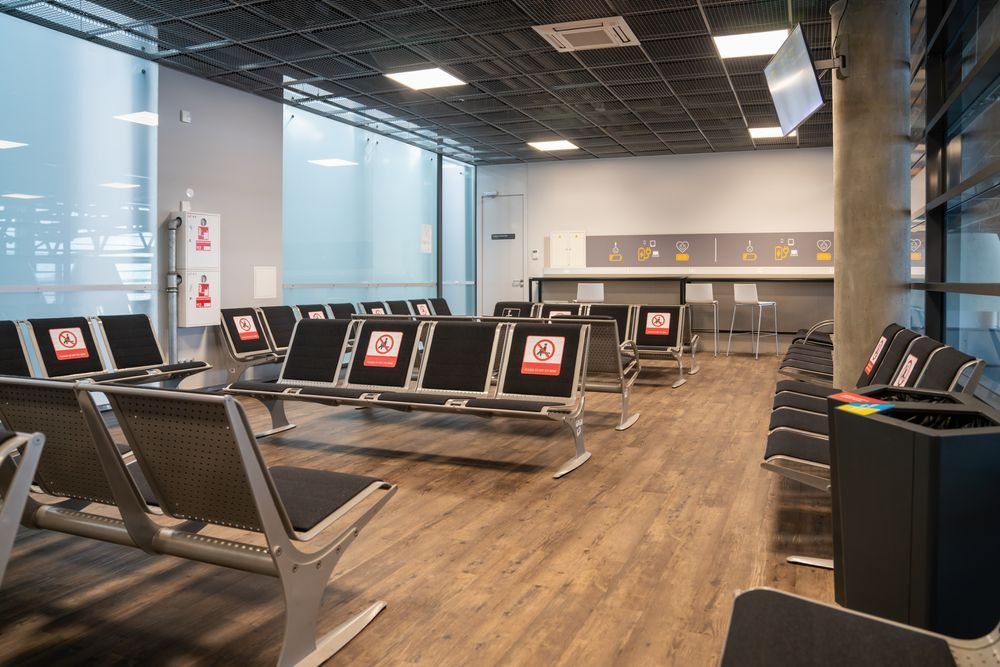
What Proper Commercial Flooring Installation Requires
Commercial environments place stresses on flooring that residential installations rarely encounter—consistent rolling loads, chemical cleaning agents, high-heel point pressure in retail, and the visual scrutiny of customers who judge a business by what they walk on. For that reason, material selection in commercial work is not a matter of preference alone. It is a technical decision that weighs surface hardness, wear layer thickness, slip resistance rating, and compatibility with the adhesive or underlayment the subfloor requires.
Once installation is complete, the visible differences are immediate and functional: seams disappear into the field of the floor rather than catching the eye at doorways, transitions between rooms or surface types sit flush rather than becoming trip hazards, and the overall surface reads as intentional rather than improvised. Those details reflect installation quality rather than product quality—the same material installed without proper surface prep or seam technique will show its weaknesses far sooner.
Commercial projects also benefit from coordination with business operations. When scheduling and project conditions allow, KJ Home Improvement LLC works around occupied spaces and operational hours so that installation does not force an extended closure. That coordination is discussed during planning, not improvised on site, and it affects sequencing decisions from the start.
What Property Owners Ask About the Work
Commercial flooring decisions involve more variables than most clients expect before the first conversation. The questions below address how installation actually works and what affects the outcome.
- What determines which flooring material is appropriate for a commercial space? The primary factors are traffic volume, the type of use the floor will see, and the maintenance routine the business already follows. A surface suited to a medical office—where chemical disinfectants are used daily—differs significantly from one chosen for a boutique retail environment where appearance carries more weight than chemical resistance.
- How is the subfloor evaluated before installation begins? The subfloor is checked for levelness, moisture presence, and structural integrity before any material is selected or ordered. An uneven subfloor causes visible issues at seams and transitions after installation, so addressing that surface first is not optional—it is part of what determines whether the finished floor holds up.
- Why do seams and transitions matter more in commercial installations than residential ones? Commercial floors cover larger areas and experience more directional foot traffic, which concentrates stress at transitions and seams. Properly executed seaming reduces visible separation over time and eliminates the edge-lifting that becomes both a trip hazard and a maintenance problem in busy environments.
- What happens in Pittsfield's older commercial buildings where subfloors may have settled unevenly? Many commercial properties in the area were built decades ago when leveling standards differed. In those spaces, surface preparation typically involves more extensive patching or leveling compound work before installation can proceed, which affects sequencing and the overall scope of the project.
- How is a commercial flooring installation different from a residential one in terms of preparation steps? Commercial prep typically includes more aggressive subfloor cleaning, adhesive compatibility testing, and acclimation periods for the flooring material itself. Those steps exist because commercial environments have less tolerance for failure—a floor that buckles or separates in a retail store creates both a safety issue and an immediate operational disruption.
KJ Home Improvement LLC is ready to walk through your commercial space, assess the existing surface conditions, and outline a flooring plan matched to how that space actually operates. Request a site visit to begin the evaluation.